Company and catalogue websites
Pages that load fast on a phone and show up on Google in both languages. Every product, project and service page follows the same clear structure.
Buyers check the name before they call. A bilingual site that holds your project record, classification and certificates, and exports the tender-ready PDF on demand.
A main contractor searches your name before he calls, and a firm with no site of its own is a non-starter. In Arabic the credential is the profile: project record, classification grade, certificates, demanded by every prequalification and every vendor portal. That profile lives in a PDF that is out of date the day it is exported. This package turns it into a site: eight to twelve bilingual pages on your own domain, one page per completed project written the way a prequalification pack reads, licences with expiry dates, key staff and equipment, a WhatsApp button, an enquiry form that records where each request came from, and a profile PDF generated from the live pages whenever you need one.
Pages that load fast on a phone and show up on Google in both languages. Every product, project and service page follows the same clear structure.
Every old address listed and redirected before the switch, then checked after launch. From WordPress, Wix, Squarespace or any older system.
Each product, project or page is a simple form. Required fields must be filled before publishing, and publishing updates the live site.
Arabic content is required, not optional. The layout runs right to left, each page links to its other-language version, and English technical terms stay where engineers search for them. No machine translation.
WooCommerce or a custom checkout, with several currencies and filters that work on a large catalogue. Tracking is set up before launch, not after a month of spending blind.
Uptime checks, malware scans, updates and daily backups under the maintenance plan, so the site doesn't slowly decay. The next feature is a message, not a new contract.
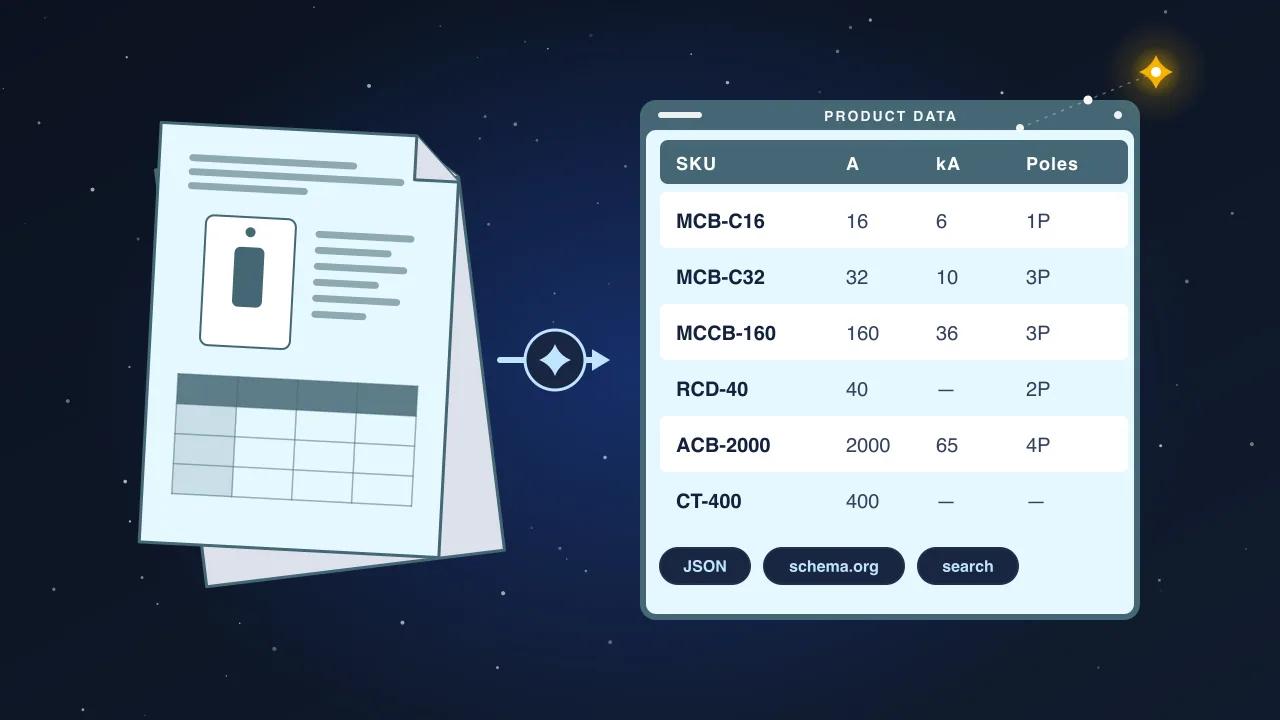
A product page that is a photo and a link to the manufacturer's PDF is invisible to all three readers who matter: the engineer, the crawler and the assistant. One structured record serves all of them.
Read moreFor a service business, the map listing is often the first result a buyer sees. This is how to set it up so it is accurate, complete and connected to a page that converts, and the monthly routine that keeps it that way.
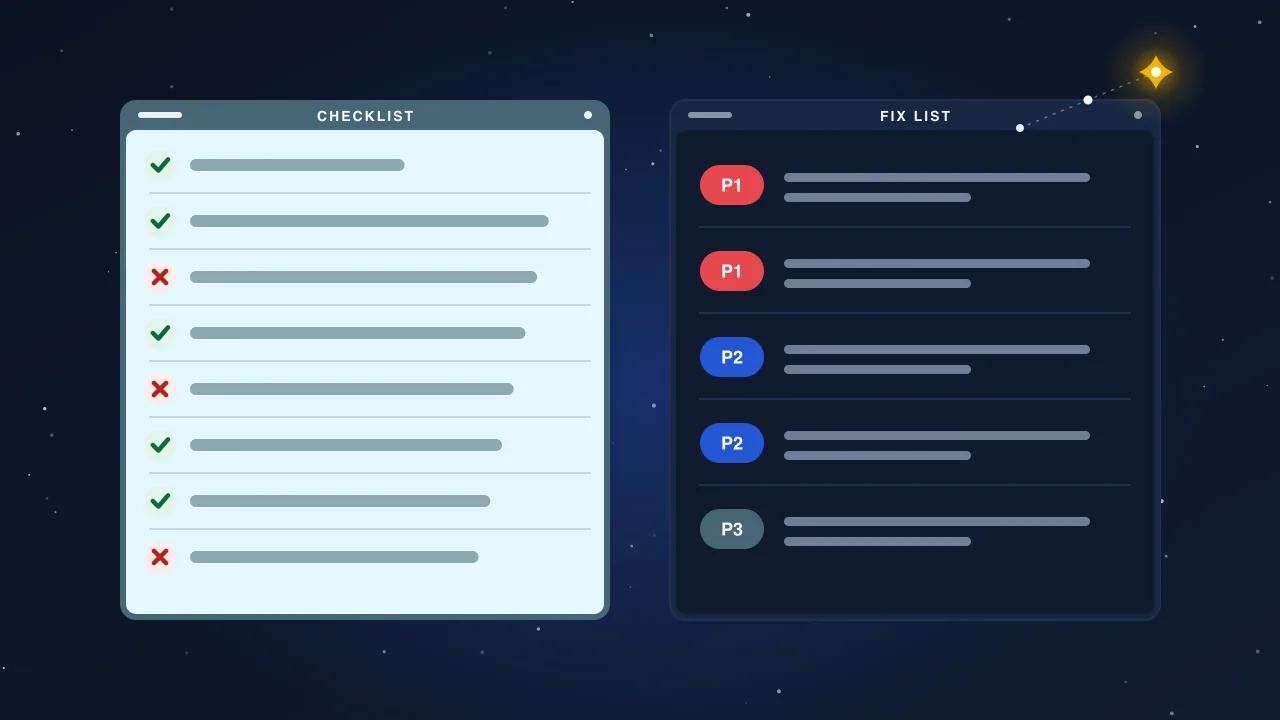
Read moreAn audit is worth exactly as much as the fix list it produces. This is the checklist we run, in the order search engines evaluate a site, and the template we hand over at the end.
Read moreBecause the relationship starts with a search. A buyer types your name, opens the site, and either finds the project record and the classification or calls someone else. The site does not replace the tender pack; it is the tender pack, kept current, with the PDF one click away.
It produces it. The profile PDF is generated from the live pages, so the projects, licences and staff on the PDF are the ones on the site that day. Keep sending the PDF where a portal demands one; stop maintaining two versions.
Your engineer or office manager, from the admin, with a form: sector, client, value bracket, year, scope, photos, completion certificate. Required fields block publishing when they are empty, and publishing rebuilds the site.
The trade and service pages are written for the queries buyers type, in both languages, with structured data and starting numbers set up at launch. We check rankings at 120 days; we do not promise them on day one.
It gives you what the portals ask a supplier to show: a company-domain email, a current profile, a project record, certificates with dates and, for distributors, a catalogue with images. Registering with the portal is your step; the compliance pages say what each one asks.
Send your domain or your profile PDF. You get the first findings in writing, what a procurement engineer cannot find, and a fixed price within one working day.
Or send your site link and a person replies within one working day.