We write the task down first
We write down how the work runs today, where the same details get typed twice, and which steps must stay with a person. That document is yours, whether or not we build the automation.
Requests bought from a marketplace go to four firms at once and the first to call wins. Your own requests deserve the same speed: form or WhatsApp to CRM to call to callback, every step logged.
Contractors who paid for shared enquiries learned one thing: you have to be the first caller. One counted 39 paid enquiries and 3 real people, each already contacted by seven firms. The requests that reach your own site and your own WhatsApp are yours alone, and most sit in an inbox for hours. This package automates one process end to end: the request is created from the form or the message, lands in your CRM with its source, gets a WhatsApp acknowledgement within a minute, a call is placed or assigned, and the callback is booked with a retry if nobody answers. Every step is an event you can read. Fixed scope, one process, two to four weeks.
We write down how the work runs today, where the same details get typed twice, and which steps must stay with a person. That document is yours, whether or not we build the automation.
A form or an ad creates the enquiry. The CRM receives it with its source, a WhatsApp message goes out, a call is made and the callback is booked. Every step is tracked.
Documents are turned into data and passed to your accounting and e-invoicing software. A person confirms anything the system wasn't sure about.
Press publish in the editing screen and the live site rebuilds with the new content. No slow live database, and no request to a developer.
Repetitive work on portals and internal systems runs on a schedule and retries when it fails. Every run shows on a screen your team can watch.
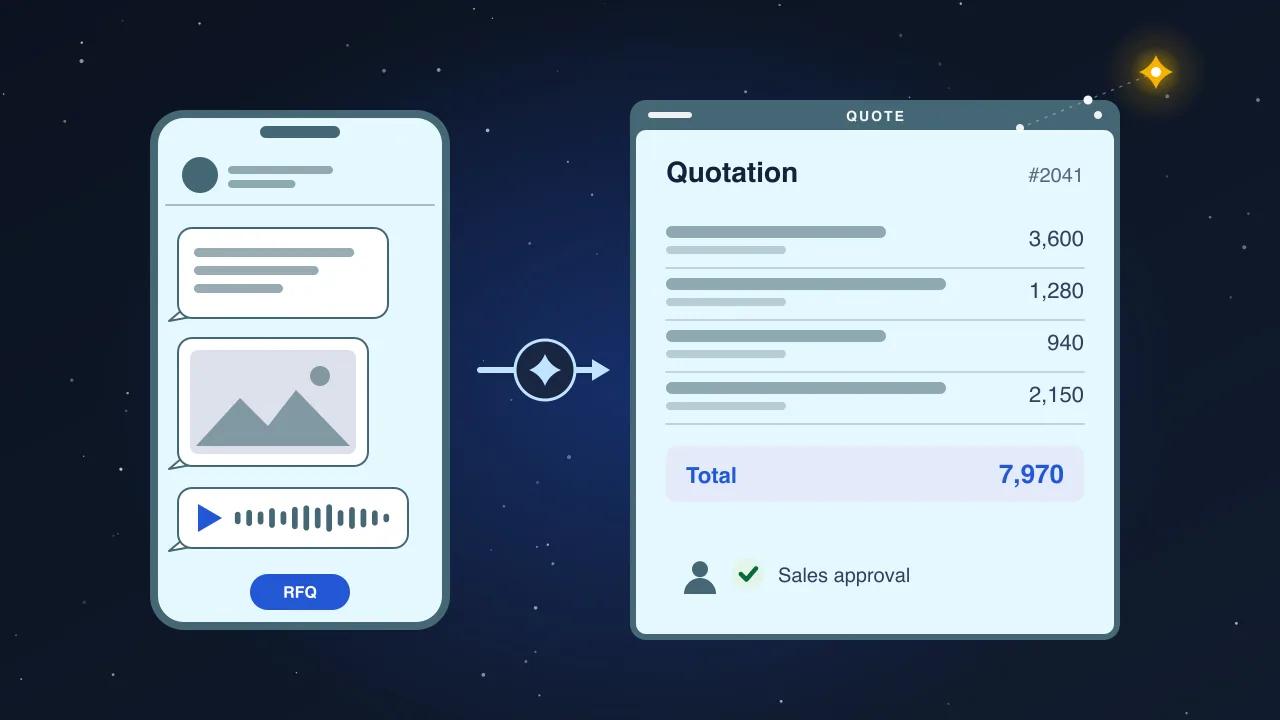
Most requests for quotation arrive as a WhatsApp message, a voice note or a photographed spec sheet. An assistant can read them, match them to your catalogue and draft the quote. What it must never do is set the price or promise stock.
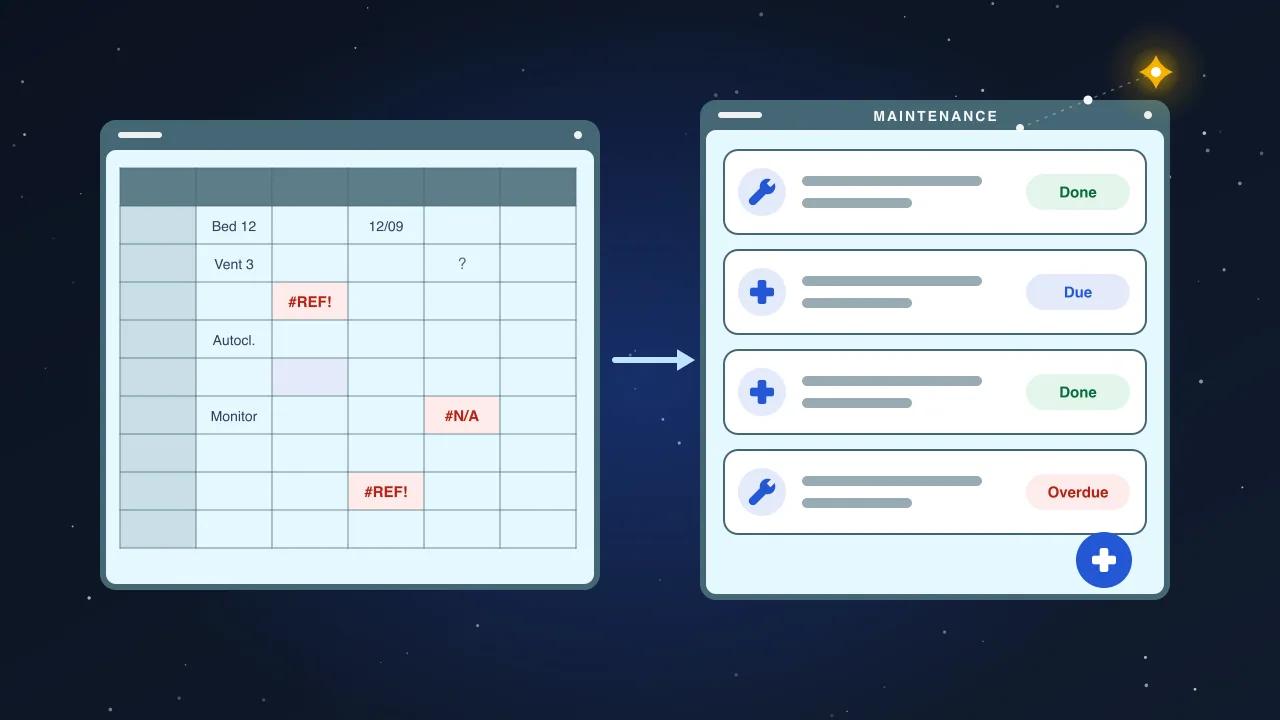
Read moreSpreadsheets are the right tool until the day three people edit the same one, nobody knows which version is true, and a missed row costs money. This is how to tell when that day has come, and what to build instead.
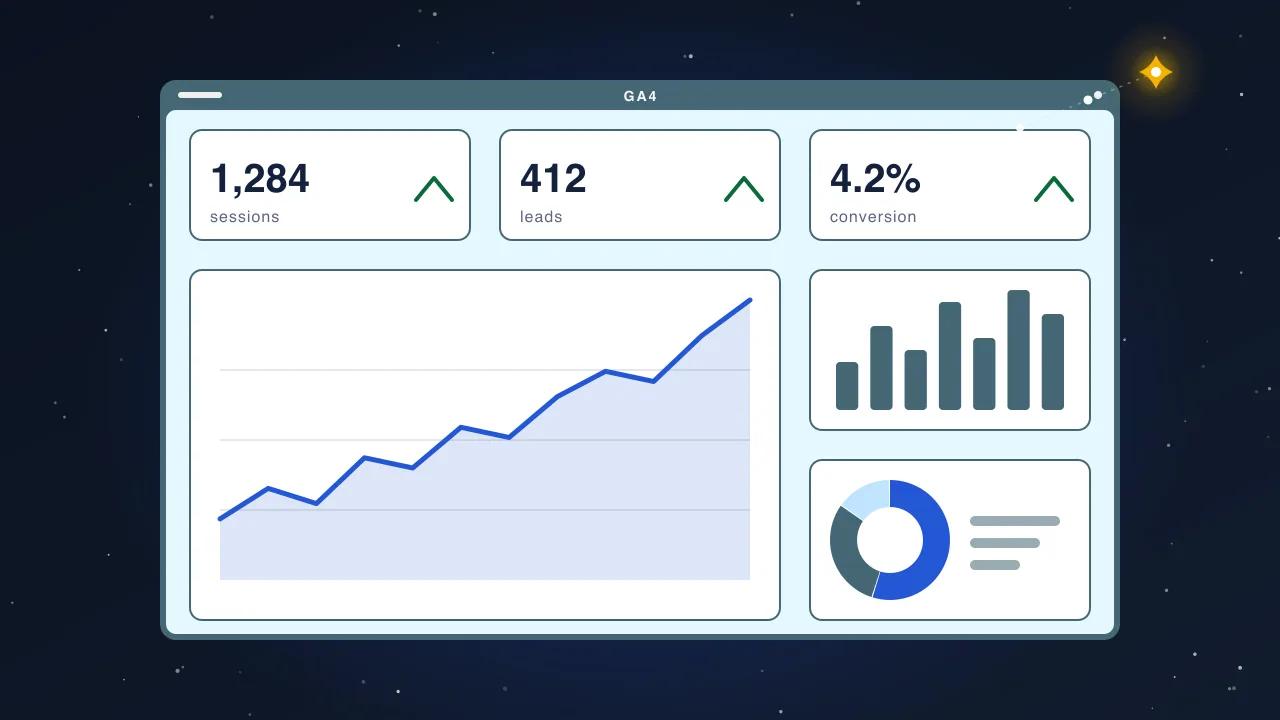
Read moreGA4 shows two hundred metrics. An operator needs about ten. This is how to choose them, the events you must define before any of them mean anything, and a one-page layout that gets read every Monday.
Read moreThe one you have, if it has an API: HubSpot, Zoho, or a sheet if that is where the requests live today. If you have none, we set one up as part of the scope.
It can place a call through a voice agent, as ConvertOnly does, or assign the call to the engineer on duty and book the callback. Most contractors want a person on the first call and the automation around it.
One path from request to callback, with one entry channel and one CRM. A second channel or a second system is a separate scope, priced in writing before we start.
ConvertOnly, our own product: an ad creates the enquiry, the CRM gets it with its source, a voice agent calls, the transcript and summary are stored and the callback is booked, every step a row. Built and demonstrated, not launched to paying customers, and we say so.
Describe how one request reaches you today and who calls it. You get a written map of the process, what the automation takes over, and a fixed price.
Or describe one task and a person replies within one working day.