A distributor told us that a product catalogue alone is often too broad: procurement loses time, the site team starts chasing alternates, and delivery speed stops mattering. The catalogue in the spreadsheet and the PDF is the reason. This package is the model we built for Progress Horizon Trading: 144 products across 22 brands, each with its specifications, datasheet and images in both languages, categories and brands search engines index, an RFQ form on every product that records the product, the page and the language of the request, a content API and an admin from which the marketing person publishes without a ticket, and product schema so search engines and AI answers can read the catalogue as data.

Who this is for

  • A distributor of electrical, mechanical or building systems whose catalogue lives in spreadsheets and PDFs
  • A manufacturer's agent that gained a brand and needs its range online with datasheets before the next submittal
  • A supplier registering with a vendor portal that asks for catalogue data with images
  • A sales team that cannot tell which product page produced the RFQ

What is in the package

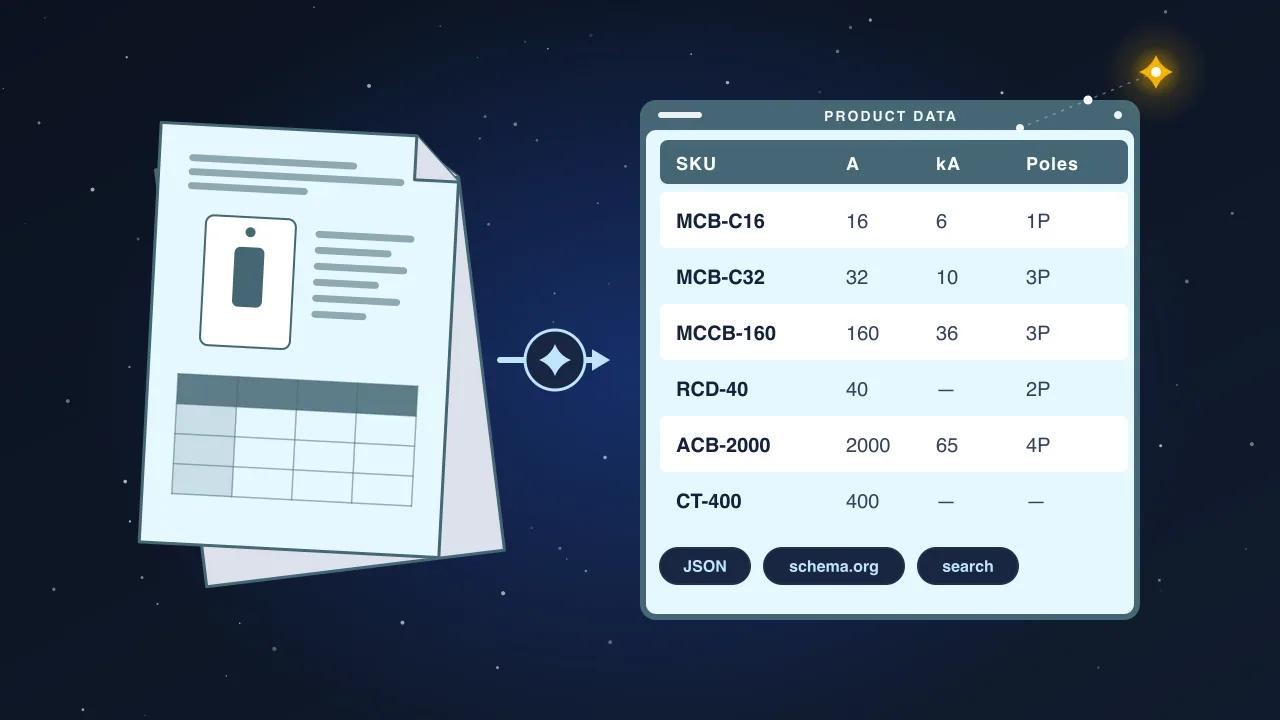
  • Products with specs, datasheets and images. Every product with its specification table, downloadable datasheet and images, in Arabic and English, with Arabic required at the data layer, never a translation queue.
  • Categories and brands search engines index. One route per category, subcategory and brand, with hreflang pairs and a bilingual sitemap, and one structured-data graph for the organisation and every brand.
  • RFQ forms with attribution. An RFQ form on every product that records the product, the page, the channel and the language, so sales sees which brands and products produce requests.
  • A content API and an admin. Bilingual document models for products, brands, categories and pages; an admin the marketing person publishes from, with required fields and a publish-to-deploy pipeline.
  • Product schema for search and AI answers. Product, Organization and Brand schema on every page, so the catalogue is readable as data by search engines and AI assistants.
  • Day-0 baseline and maintenance. Index count and RFQ sources archived before launch; hosting, monitoring, backups and the next release under the maintenance plan.

All posts

FAQ

Our catalogue is a few hundred products in Excel. Where do we start?

With the catalogue diagnosis: send the spreadsheet or the PDF and we map the data model, what is missing per product, and what a procurement engineer cannot find today. The price on this page covers the structure and the first range; the rest is a data job we scope with you.

Is this an online shop?

No. Procurement engineers do not buy building systems from a cart; they request a quotation against a specification. The catalogue is built for that: spec, datasheet, RFQ, and attribution back to the product.

Do you write the Arabic?

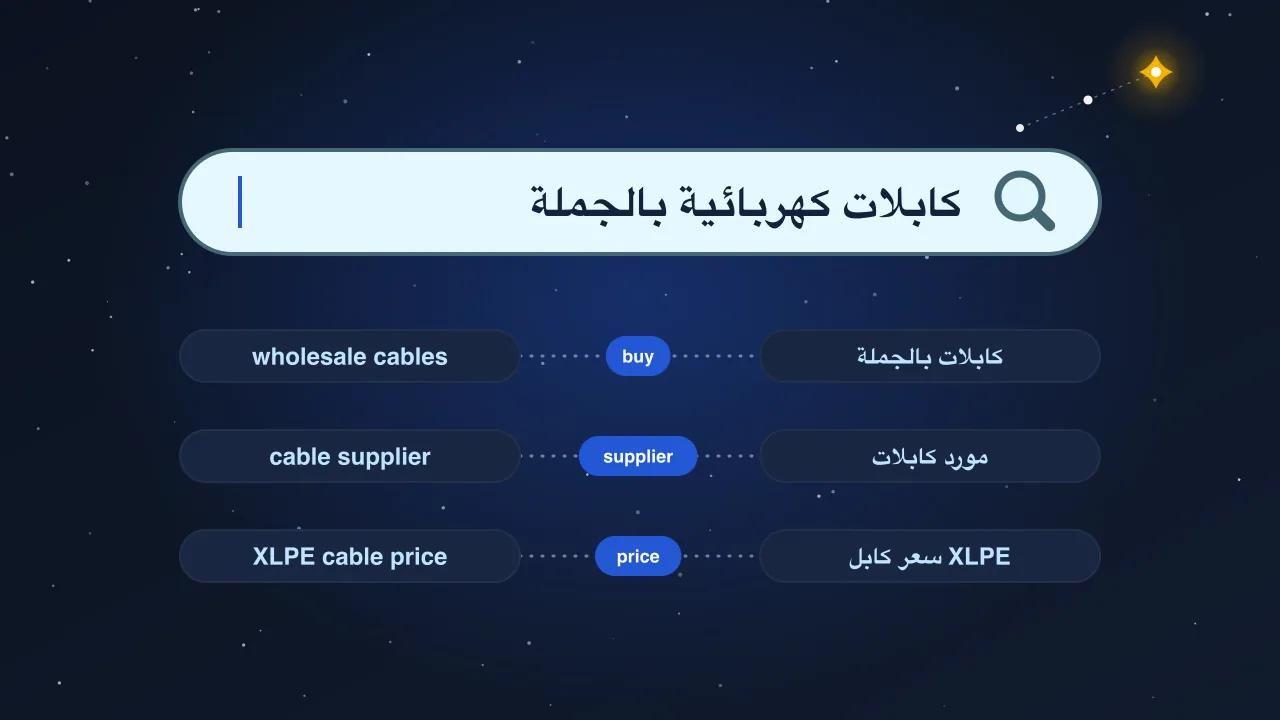
Arabic is required at the data layer, written to a house guide and checked by a linter: technical terms stay in Latin script the way engineers search, and RTL is engineered, not mirrored. On the PHT rebuild that was 369 interface strings per language and every product in both.

What is the proof?

Progress Horizon Trading: 144 products, 22 brands, 478 bilingual URLs rebuilt in one week, a content API with 12 bilingual document models, an 11-screen admin and attribution on every request, maintained since October 2024. Read the case study, including what went wrong.

Can the quotation assistant read it?

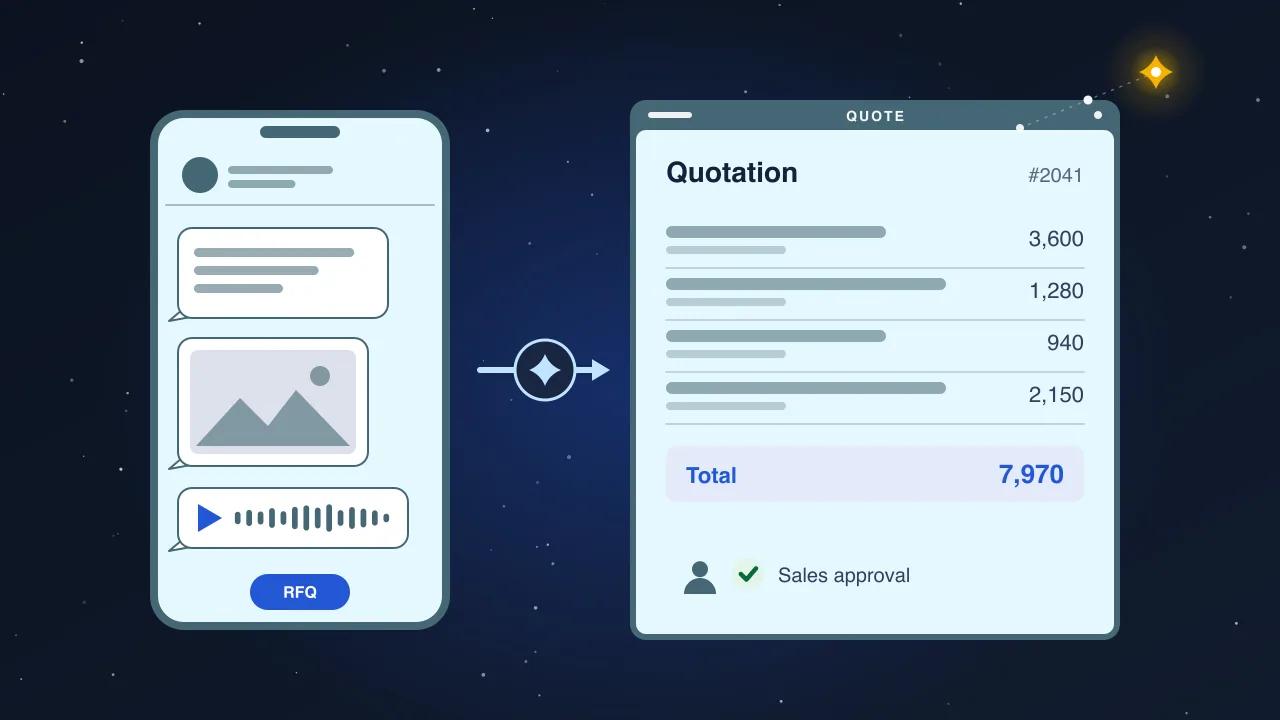
Yes. The catalogue is the data the WhatsApp quotation assistant drafts from: it matches the request to the product, reads the price list and drafts the quotation for a sales engineer to approve.

Send the domain. We diagnose before we quote.

Send your domain, or the PDF catalogue if there is no site. You get the first crawl, what a procurement engineer cannot find, and a fixed price for the first range within one working day.

No mailing list. One reply, from a person, in writing.

Prefer to talk? Message us on WhatsApp